
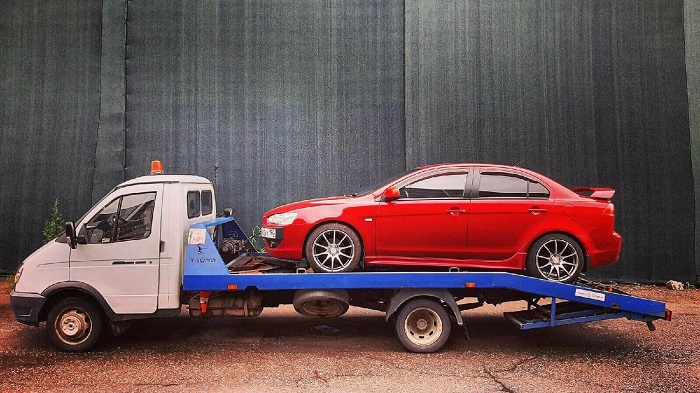
Transporting a car by tow truck is an important part of vehicle maintenance, requiring compliance with certain rules to ensure the safety and security of the vehicle. In such cases, it is especially important to choose the right company and prepare the vehicle for transport to avoid potential unpleasant situations and additional costs.
If you are looking for reliable car towing Kitchener, it is important to know the basic features of the process and tips to make the transport as safe and convenient as possible. Following the rules and preparing the vehicle will significantly reduce the risk of damage and ensure the timely delivery of the vehicle to the desired destination.
Choosing the Right Platform for Car Transport: Recommendations and Criteria
Key factors to consider include the type and condition of the vehicle being transported, its size and weight, and the transport conditions. There are several types of platforms, such as pantograph, frame, and articulated, each suitable for specific situations. Below are recommendations and criteria for choosing the most suitable platform.
Recommendations for choosing a platform for transporting a car
- Assess the dimensions and weight of the vehicle: choose a platform that can safely accommodate the vehicle without the risk of pinching or damage. Information on the load capacity and platform length are usually included in the tow truck’s specifications.
- Platform type: For passenger cars, we recommend using frame or pantograph platforms, which provide a secure attachment and protection from damage. Specialized or articulated platforms are suitable for transporting trucks or unusual vehicles.
- Platform quality and condition: ensure the platform is free of cracks, deformations, and damage, which guarantees reliable transportation.
- Compatibility with the type of access road and traffic situation: choose a platform that can safely maneuver along the intended route, taking into account road conditions and the access road to the destination.
Criteria for choosing a platform for reliable transportation
- Availability of appropriate permits: ensure that the selected towing company has all the necessary licenses and permits for transporting vehicles.
- Reputation and customer reviews: choose companies with positive reviews, a track record of successful transportation, and recommendations.
- Cost of services: compare prices and service conditions, avoiding overly cheap offers, which may indicate low quality or a lack of necessary services. Warranties.
- Additional services and warranties: Check for insurance, vehicle security options, and real-time tracking.
Preparing a vehicle for towing: technical aspects and precautions
Before transporting a vehicle by tow truck, it is necessary to thoroughly prepare the vehicle to ensure its safety during transport and prevent possible damage. First, check the condition of the brake system, suspension, and steering, and ensure there are no fluid leaks that could cause additional problems during transport.
Securing and protecting vulnerable vehicle components, such as mirrors, glass, and exterior parts, is also an important step. Before lifting a vehicle onto a tow truck, it is recommended to disconnect and secure the battery, as well as remove or secure any external accessories that could be damaged or interfere with safe loading.
Determining the Optimal Route to Minimize Risks and Costs
Choosing the right route when towing a vehicle plays a key role in mitigating potential risks and reducing costs. An optimal route will ensure the safety of the vehicle being towed, reduce transit time, and lower fuel and service costs.
To achieve the best results, it is recommended to consider a number of criteria, such as the condition of road infrastructure, traffic congestion, the availability of detours, and the ability to avoid toll roads. Choosing the right route will help minimize the risk of damage and misunderstandings during transportation.
Key Steps in Route Planning
- Analyze the traffic situation – study maps, current information on traffic jams, road construction, and road closures.
- Choose the least congested roads – avoid areas with high traffic volumes and narrow passages.
- Assess road conditions – consider the condition of the road surface, the presence of roads with heavy truck traffic, and the risk of congestion.
- Consider weather conditions – avoid routes that intersect with dangerous roads conditions, such as snowfall or heavy rain.
- Cost and Time Calculation – Compare estimated costs for different routes and choose the most economical and fastest option.
Determining the optimal route is an important step in organizing a tow truck transport. Careful planning and the use of up-to-date maps and information resources help minimize the risk of damage to the vehicle being transported, reduce costs, and ensure on-time delivery. Follow these recommendations, and your towing experience will be safer and more economical.