
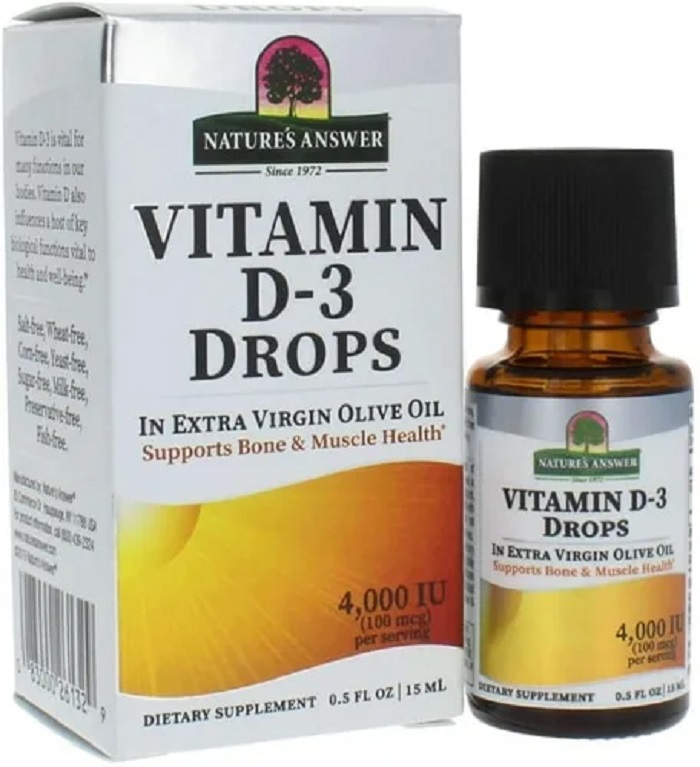
A vitamin D drops SKU should be planned as a precise liquid-serving product, with decisions on nutrient form, serving volume, bottle, labeling, and market requirements made early. Vitamin drops require a clear serving architecture. The brand should state the nutrient forms, target amount, liquid base, bottle volume, delivery device, and expected users before it requests a price or sample. These factors determine what the consumer needs to measure and what the label must communicate precisely.
The brief should state whether the concept includes vitamin D alone or a combination, the intended nutrient forms, target amount per serving, liquid base, flavor preference, bottle size, and the desired dosing device. These details guide feasibility and packaging conversations. Combination concepts require disciplined formula review. When more than one nutrient is included, the brand should record why each component is present, what serving is planned, and which claims language requires review. This keeps a simple drops concept from becoming a crowded formula with unclear consumer instructions.
The intended user routine should inform the serving design, label instructions, dropper or dispenser choice, and the clarity needed for consumers to use the product as directed. The package decision should be treated as part of dosing. Review dropper or dispenser performance, bottle handling, cap function, label space, and pack count with the same care used for the formula. A product that cannot be measured and explained clearly can create avoidable customer-service and channel issues.
When preparing a vitamin D drop SKU, private label vitamin D drops can anchor research on serving and device choices before the exact bottle information and regional label needs are finalized. Market scope should be documented before label copy is approved. Nutrient language, target consumer groups, and permitted claims can vary by jurisdiction and channel. A short review gate before printing helps the brand separate a technically feasible liquid from a market-ready SKU.
The brand should ask how it will review formula specifications, fill volume, packaging integrity, and the relevant documentation for the finished configuration. Vitamin drops require a clear serving architecture. The brand should state the nutrient forms, target amount, liquid base, bottle volume, delivery device, and expected users before it requests a price or sample. These factors determine what the consumer needs to measure and what the label must communicate precisely.
Budget assumptions should include the bottle, closure, serving count, label status, carton needs, first order range, and the work required to move from sample to commercial packaging. Combination concepts require disciplined formula review. When more than one nutrient is included, the brand should record why each component is present, what serving is planned, and which claims language requires review. This keeps a simple drops concept from becoming a crowded formula with unclear consumer instructions.
Nutrient claims and benefit language require market-specific review, especially when the product combines ingredients or is positioned for particular consumer groups. The package decision should be treated as part of dosing. Review dropper or dispenser performance, bottle handling, cap function, label space, and pack count with the same care used for the formula. A product that cannot be measured and explained clearly can create avoidable customer-service and channel issues.
A defined SKU brief lets a vitamin drops project move through sampling and packaging decisions with fewer late changes. Market scope should be documented before label copy is approved. Nutrient language, target consumer groups, and permitted claims can vary by jurisdiction and channel. A short review gate before printing helps the brand separate a technically feasible liquid from a market-ready SKU. For vitamin drops, the release record should confirm the serving method, dispensing device, bottle information, and market-specific label review. This gives customer-service, marketplace, and operations teams a consistent source for explaining the finished SKU.