
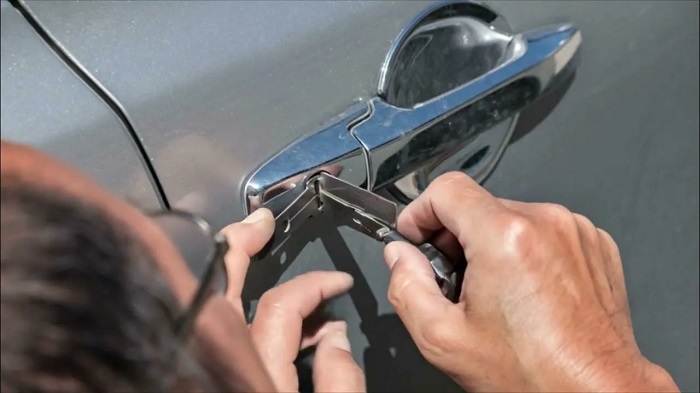
Unlocking a vehicle involves a series of actions to gain access to the cabin or trunk in situations such as lost keys, lock malfunctions, a dead battery, alarm system lockouts, or other emergencies. The primary goal is to restore access without causing damage, ensuring the continued functionality of locks, doors, windows, and electronic systems.
A proper approach on https://carlocksmithguelph.ca/ begins with assessing the cause of the lockout and selecting a safe method. It is important to note that modern vehicles are equipped with immobilizers, central locking systems, security sensors, and complex electrical systems; consequently, haphazard attempts often lead to costly repairs.
Rules for Lawful Unlocking
Any unlocking procedure is permissible only when there are legitimate grounds for doing so. This protects the owner from fraud and helps avoid conflicts with law enforcement agencies.
Verify Ownership
Before unlocking the vehicle, have documents ready that prove the car belongs to you or that you have the right to use it. Depending on the situation, suitable documents include the vehicle registration certificate, driver’s license, rental or lease agreement, or a power of attorney.
Assess the Risk of Damage
Using brute force often damages weather stripping, the paintwork, the door frame, the locking mechanism, and the glass. Even minor deformation can lead to wind noise at speed, leaks, door-closing issues, and subsequent corrosion.
Consider Electronic Systems
Unlocking modern vehicle models is closely linked to their electronics, including comfort control modules, security systems, remote start functions, and keyless entry systems.
Improper actions can trigger false alarms, prevent the engine from starting, or cause system errors.
Legal grounds and documentation for unlocking a car without a key: summary
Unlocking a vehicle without a key is permissible only if there are legitimate grounds and the right to access the vehicle can be proven. Any actions taken without supporting documentation and the owner’s consent may be considered unlawful; therefore, if in doubt, it is safer to contact official service providers immediately.
The most reliable approach is to use authorized services (such as roadside assistance, a dealership, a service center, or an insurance company) and to document the reason for the entry, the identity of the person requesting the service, and proof of vehicle ownership. This reduces the risk of conflicts, damage, and legal claims.
What to keep in mind before unlocking
- Legal grounds: You are the owner, an authorized user (via power of attorney or contract), or acting under the owner’s direct instruction.
- Proof of identity: An identity document (passport or driver’s license) so the service provider can verify your details.
- Proof of vehicle ownership/rights: Vehicle Registration Certificate (STS), Vehicle Title (PTS, if available), lease/rental agreement, power of attorney, or company documents (for corporate vehicles).
- Owner’s consent: If the owner is not present, consent must be provided in writing or recorded in another verifiable way (e.g., telephone confirmation witnessed by the service provider).
- Documentation of work: A service report, work order, or receipt listing the date, time, VIN/license plate number, and reason for the request.
- If documents are inside the car: First, verify your identity and provide any indirect evidence (copies, photos of documents, insurance details, or app data), then proceed through an official service provider that issues a formal report.
- If the car is not yours: Do not attempt to open it; ask the owner to arrive in person or provide a power of attorney/authorization and the necessary documents.
- In case of emergency: If there is a threat to life or health or another emergency, contact emergency services; attempt to open the vehicle yourself only as a last resort, and document the circumstances afterward.
Bottom line: The legality of unlocking a car without a key is determined not by the “situation,” but by access rights and documentation. The more clearly identity, authorization, and vehicle ownership are established, the safer and more proper the process will be—and the easier it will be to avoid legal and financial repercussions.