
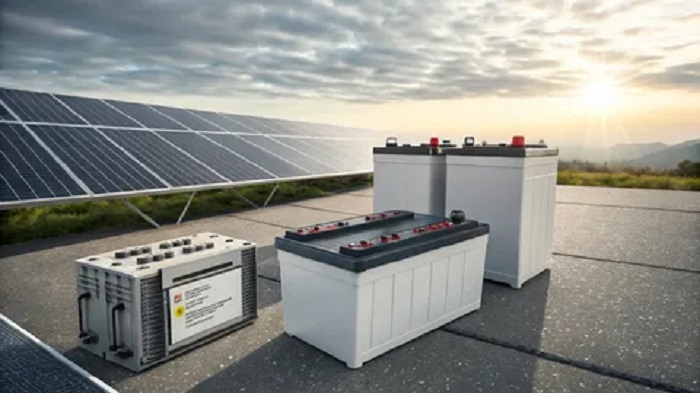
Lithium battery storage planning should start with an energy-use question: which loads need support, for how long, and under which operating conditions? A battery is often discussed only by its capacity, yet a complete design also considers power delivery, inverter compatibility, cable and protection requirements, installation space, and the way the system will be operated. Writing those decisions down gives a homeowner or business a more useful basis for comparing options.
Build a load profile before choosing module count. Identify essential circuits, their typical running periods, and whether the objective is outage backup, daily solar self-use, reduced generator operation, or a combination. A refrigerator and networking equipment may need a different reserve strategy from a pump, air conditioner, or workshop load. The profile should capture realistic simultaneous use rather than an optimistic list of devices that will never operate together.
Capacity describes stored energy, while power-related limits influence what the battery can support at a given moment. The selected battery bank must be evaluated with the inverter’s battery voltage range, charge and discharge requirements, BMS communication, cables, disconnects, and protection. These are system decisions, not small installation details. A mismatch may affect performance, configuration, or the ability to use the equipment as intended.
A category view of luxpower lithium battery options can help a project compare residential, high-capacity, outdoor-oriented, and modular storage directions. The final selection should be confirmed with the exact inverter, compatible module list, communication arrangement, installation location, and current documentation for the chosen equipment.
Location planning is important for both safety and service. Consider access, ventilation, mounting surface, cable distance, flooding risk, environmental limits, and the path technicians will use for installation or replacement. Battery modules should not be squeezed into a space simply because it is unused. The installation should follow the relevant supplied manual and local electrical requirements, with clear space for inspection and isolation.
Operating settings deserve an early conversation. Decide the reserve required for outages, when solar energy should charge storage, and whether generator or grid charging is part of the plan. The correct setting depends on tariffs, outage patterns, load priorities, and equipment capabilities. A system that is intended to preserve battery energy for evening backup may be configured differently from one focused on daytime solar self-consumption.
Commissioning should include verification of the installed model, module count, communication status, protective devices, and monitoring values. Retain serial references and the documentation edition used for the system. If an expansion is anticipated, record the intended path and confirm that the relevant inverter and battery combination supports it. This prevents a future purchase from being based on an incomplete memory of the original project.
Battery storage works best when it is planned as part of the household or business energy strategy. A clear load profile, compatible equipment list, physical installation plan, and operating policy turn capacity into useful backup and energy management rather than an isolated number on a quotation. Owners should also define how they will review system behavior after commissioning. A simple monthly check of load patterns, solar contribution, reserve settings, and outage experience can reveal whether the original priorities remain appropriate. Changes in household occupancy, business hours, appliance use, or generator availability may justify an updated operating plan. Keeping these observations with the installation documents gives a later installer context for any expansion or configuration change instead of forcing a complete rediscovery of the original system goals. Before finalizing the layout, walk through the space with the people responsible for cleaning, access, and emergency response. They can identify blocked routes or service conflicts early. A storage design is easier to manage when its physical location reflects daily site routines as well as electrical planning.